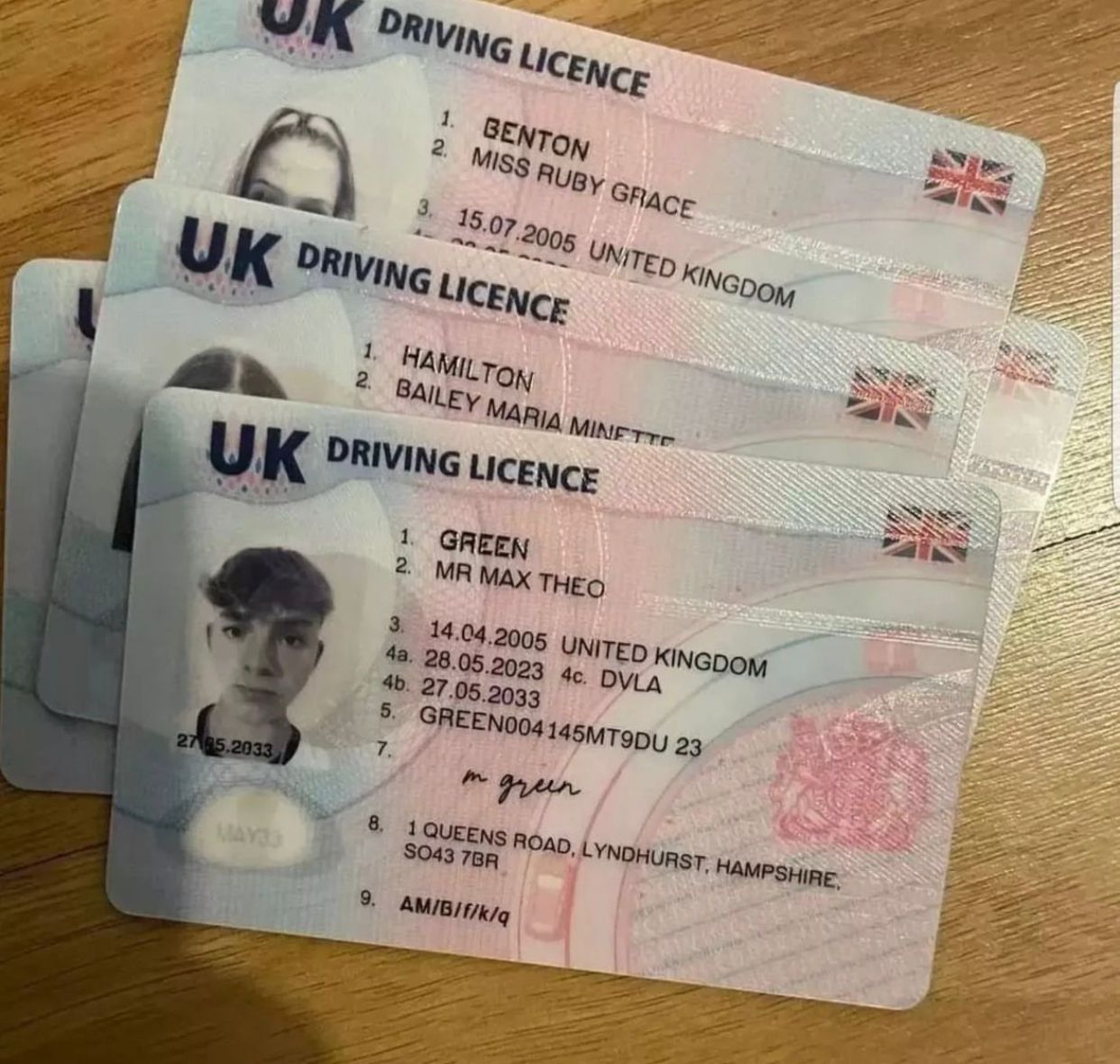
Understanding the UK Driver License: A Comprehensive Guide
Getting a driver license in the United Kingdom is an essential action for many people intending to attain self-reliance and movement. ukdrivinglicense.co.uk is structured, detailed, and entails different phases, each designed to ensure that new drivers possess the necessary abilities and understanding to browse UK roads safely. This short article aims to offer an in-depth overview of the UK driver license, including the types of licenses, application procedure, requirements, and regularly asked concerns.
Types of UK Driver Licenses
The UK driver license system categorizes licenses into different types based upon the automobile classification. Here's a breakdown:
| License Type | Description | Age Requirement |
|---|---|---|
| Provisionary License | Allows learner drivers to practice on the road under particular conditions. | 17 years old |
| Complete Driving License | Authorizes the holder to drive lorries classed under classifications they have actually tested for. | 17 years old |
| Bike License | Permits riding various classes of bikes depending upon the type of license. | 17 years old |
| HGV (Heavy Goods Vehicle) License | Needed for driving cars over 3.5 tonnes. | 18 years old for Category C |
| PCV (Passenger-Carrying Vehicle) License | For buses and coaches. | 21 years old |
Phases of Obtaining a UK Driver License
The procedure of obtaining a driver license in the UK can be segmented into numerous key stages:
1. Look for a Provisional License
Before beginning lessons, an individual need to make an application for a provisional driving license, which enables them to find out to drive lawfully. This can be done online or through a paper application. Key requirements include:
- Being at least 17 years old (or 16 for a moped).
- Satisfying residency requirements and offering evidence of identity.
- Paying a charge (approximately ₤ 34 online or ₤ 43 by post).
2. Discovering to Drive
As soon as the provisional license is acquired, aspiring drivers can take driving lessons. Students should stick to specific guidelines:
- Displaying 'L' plates on the automobile.
- Being accompanied by a certified driver if driving on public roads.
- Completing a minimum of 20 hours of driving lessons is suggested for much better preparation.
3. Theory Test
The UK theory test examines a driver's understanding of road indications, guidelines, and risk perception. It comprises two parts:
- Multiple Choice Questions: 50 concerns with a passing mark of 43.
- Risk Perception Test: One need to determine prospective risks in videos, passing with 44 out of 75 points.
4. Practical Driving Test
The final step involves taking the practical driving test. During the test, the inspector examines the student's driving ability, roadway safety awareness, and practical skills. Key points include:
- Completing a vision check.
- Performing a set number of maneuvers (such as parallel parking, emergency stop).
- Addressing an automobile security concern.
5. Receiving a Full Driving License
Upon effective completion of the dry run, the driver will get a pass certificate, which can be exchanged for a full driving license. This license grants all the rights of a driver subject to specific limitations based on license classifications.
License Categories
Understanding the various license classifications may be essential for drivers aiming to drive specific lorries. Below is a simplified list of key license categories in the UK:
| Category | Vehicle Type | Minimum Age |
|---|---|---|
| A | Motorcycles | 17 years old |
| B | Vehicles and light cars | 17 years old |
| C | Big automobiles (over 3.5 tonnes) | 18 years old |
| D | Buses (passenger-carrying automobiles) | 21 years of ages |
| E | Trailers (over 750 kg when combined with Category B) | No minimum age but must have proper category |
Frequently asked questions About the UK Driver License
1. How long does it require to get a UK driver license?
The period for getting a UK driver license varies based on the individual's preparedness and schedule of test slots. On average, it can take a couple of months to a year, including lessons, studying for the theory test, and passing the practical test.
2. Can I drive with a provisional license?
Yes, you can drive with a provisional license, but you should be accompanied by a qualified driver who is over 21 and has actually had a full driving license for a minimum of three years.
3. What should I do if I lose my driver license?
If your driver license is lost or stolen, you ought to report it to the local cops and obtain a replacement through the DVLA (Driver and Vehicle Licensing Agency), which can be done online for a fee (usually around ₤ 20).
4. Are there any constraints with a provisional license?
Yes, restrictions include not having the ability to drive alone and the requirement to show 'L' plates.
5. What takes place if I fail my driving test?
If you do not pass your driving test, you can reapply to take the test again. It is a good idea to continue practicing and studying before retaking it.
Obtaining a UK driver license is a vital step for those aiming to take pleasure in the liberty that features driving. From the initial provisional license application to the practical test, each stage is structured to promote safe driving practices. By comprehending the requirements, types of licenses, and procedures included, aspiring drivers can navigate their method to obtaining their full driving license with confidence.
Whether you are a student or someone wanting to upgrade your car classification, understanding the ins and outs of the UK driver license system will make it possible for a smoother journey towards achieving your driving goals.